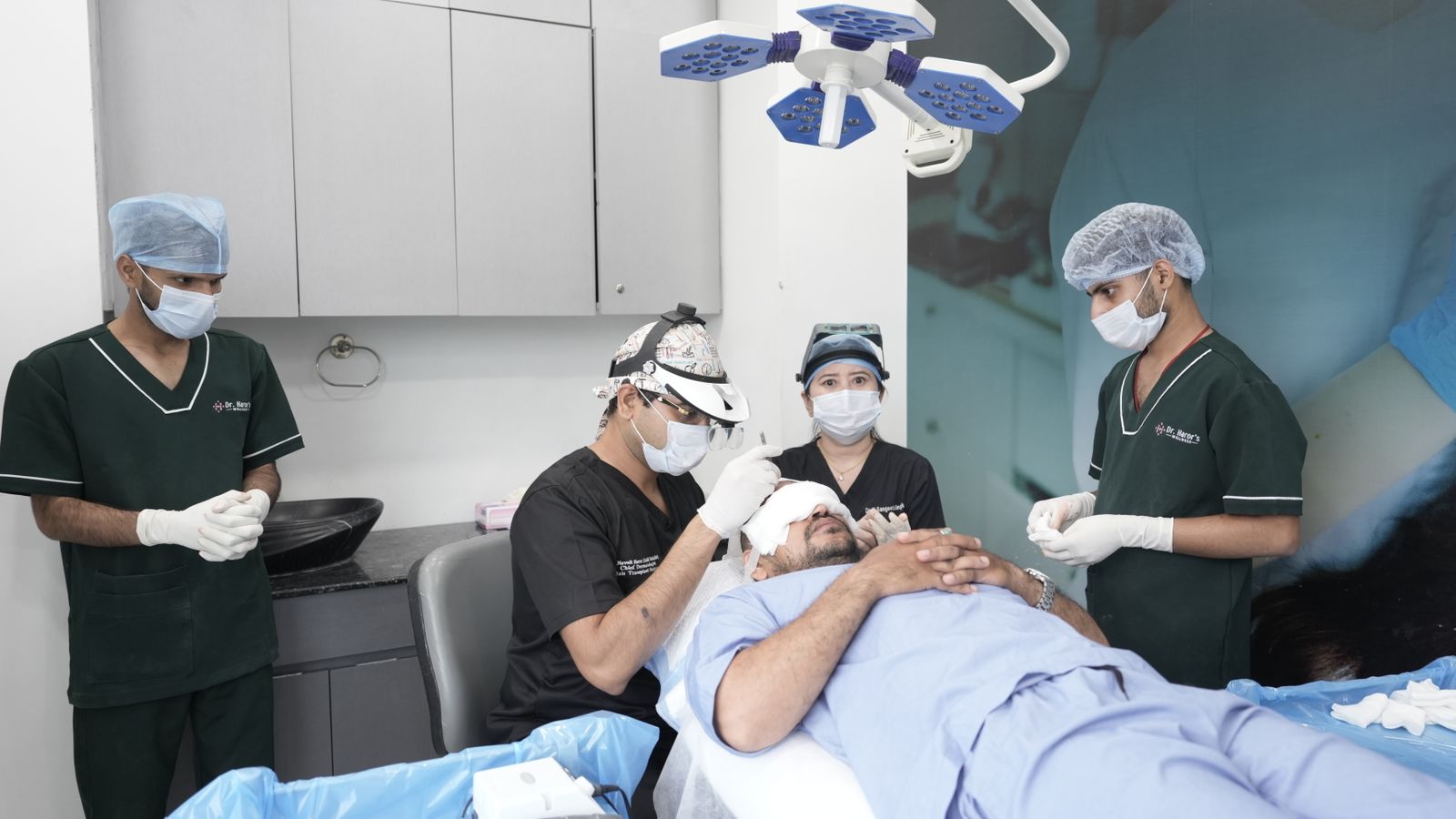
People researching unshaven hair transplantation often want to preserve their current hair length and reduce visible changes to their everyday appearance. The term can cover different arrangements, so it is worth asking exactly where shaving or trimming would be needed.
What does unshaven mean in practice?
Some plans leave the recipient area long while trimming small sections of the donor area. A fully unshaven approach may not suit every person or objective. Ask the provider to translate the terminology into the changes you would actually see.
Will recovery be completely hidden?
Keeping hair long does not mean every sign of healing will be invisible. Redness or crusting can still be noticeable. Avoid planning work or social commitments around a promise of complete discretion.
How is suitability assessed?
Hair length, the distribution of thinning, access to the working area and donor characteristics can influence the proposal. Explain your priorities without allowing the wish to avoid shaving to replace a sound long-term plan.
Ask for a clear plan
Find out which donor sections would be trimmed and how the longer hair would be cared for. The patient guide covers preparation, and the recovery guide explains the place of follow-up.
This is general educational information. Consult a qualified clinician for individual assessment and care advice.