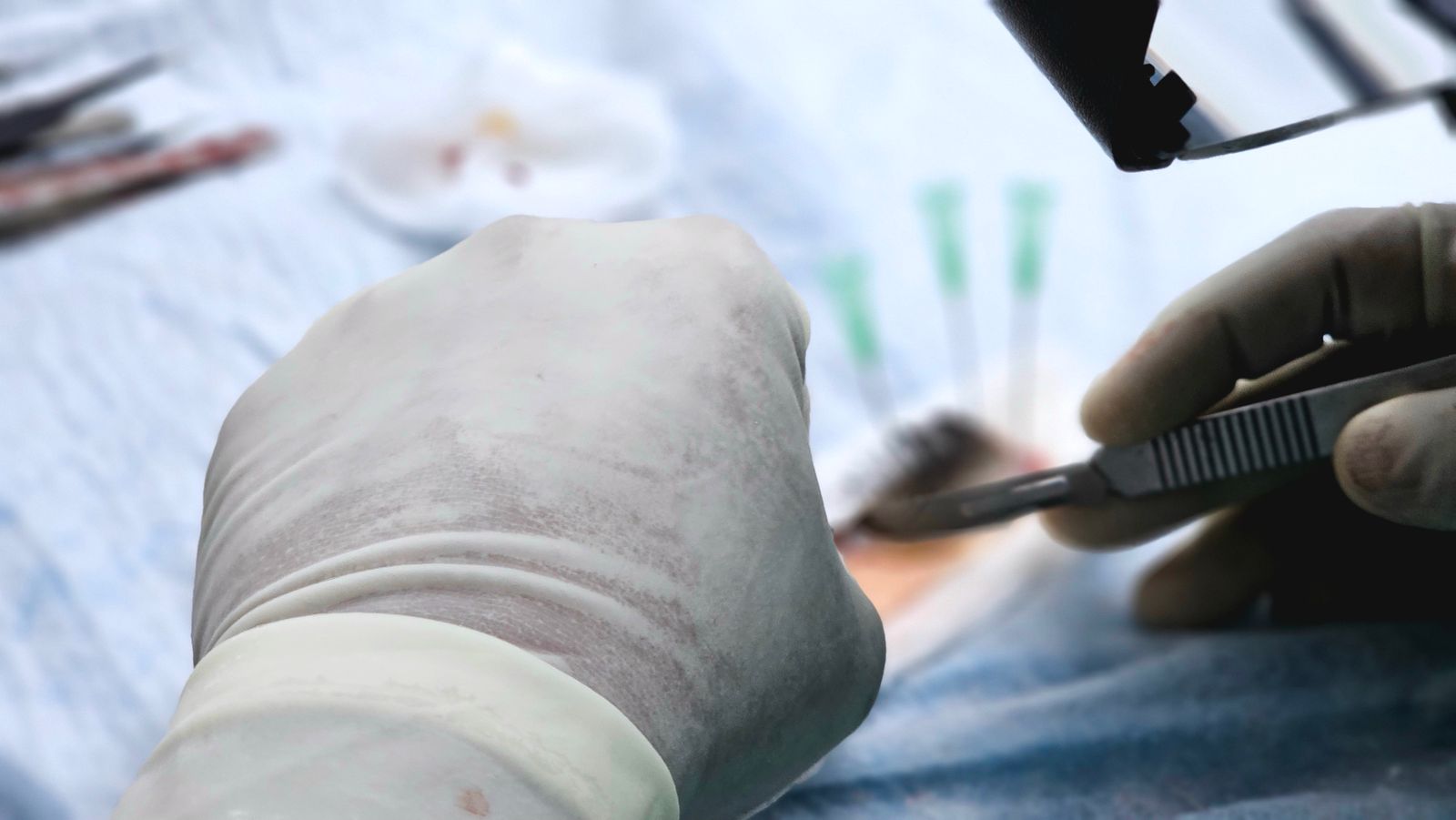
DHI hair transplantation commonly refers to an approach in which grafts are placed using implanter devices. Those grafts may have been extracted using FUE. The two terms therefore do not always describe separate, mutually exclusive procedures.
What does an implanter change?
The choice of placement instrument is one part of the plan. Graft preparation, handling and team coordination need to be considered together. Ask why the proposed approach is suitable for your hair characteristics and the area being treated.
Does DHI always mean no shaving?
A DHI label does not guarantee an unshaven procedure. Shaving requirements may differ between the donor and recipient areas. If visibility during recovery matters to you, ask exactly which areas would be trimmed.
Which promises deserve closer attention?
Guaranteed density, identical recovery times and assured outcomes overlook individual differences. Recipient needs, donor resources and existing hair should be considered together. Request an explanation of the limits as well as the intended benefits.
Prepare for your consultation
Ask who will extract grafts, who will carry out placement and who is responsible for follow-up. Our DHI and FUE comparison helps separate the stages these terms describe.
This is general educational information. Consult a qualified clinician for individual assessment and care advice.